Collagen Supplementation for Athletes
Collagen has been a very popular supplement of late and interestingly for a rather large number of reasons, including skin health, reducing joint pain, exercise recovery, and even healing the gut. From a sporting perspective, there is evidence of benefits starting to build on some of these factors, but how good is it really for athletes?
What is Collagen?
There are many different types of collagen in the body, but Type 1 collagen is the most abundant found in musculoskeletal tissue such as tendons and ligaments, bone and muscle. Collagen is a very rigid and sturdy tissue, made from a triple helix arrangement that provides a very solid structure to support the body. This support lends itself well to assisting the body with movement and exercise. Injuries to these tissues are very common in sport in general as well as in the aging population. Hence, there has been much recent interest in the study of collagen supplementation in the sporting environment in the hope it can reduce the incidence of injury, or help improve an athlete’s ability to return to play after an injury.
There is promising evidence that collagen supplementation can help reduce joint pain in athletes, improve the strength of musculoskeletal tissues in the elderly, and help with symptoms of osteoarthritis in aging athletes.
Exercise
Much of the research looks at supplementation alongside exercise. This is because exercise is necessary to switch on the synthetic machinery in muscles and connective tissue, and taking collagen alone without concomitant training, has very little effect on the collagen matrix in musculoskeletal tissue. Exercise also enhances the movement of blood around the joint, and given that tendons and ligaments have a relatively poor blood flow, this makes the delivery of nutrients to the area more effective when combined with supplementation.
How does it work?
Collagen is simply a protein, containing some quite specific amino acids, glycine, proline, hydroxyproline and hydroxylysine. Commercially, what is being used is a special hydrolyzed form of collagen. It is a form that has been processed with enzymes to break it down into smaller lengths which also reduces its gelling properties, so it can be mixed easily with water to consume without a gloopy mess! This leads to a rather convenient product for use on the go, however, there is no difference in the bioavailability of these specific amino acids using different forms of collagen, such as the food-grade product gelatin found in the baking aisle of your local supermarket. You just need to consider some creative ways to use it. Check out these recipes for using gelatin to supplement your athletes.
These collagen amino acids in their short hydrolyzed chains or in free form, reach the small intestine where they are absorbed into the bloodstream, typically peaking around 40-60 minutes after consumption. The movement of these specific collagen peptides from oral intake may have some specific role to play in the musculoskeletal matrix building and repair, rather than just adding to the general amino acid total pool after digestion. This could be part of the explanation for some of the clinical research findings.
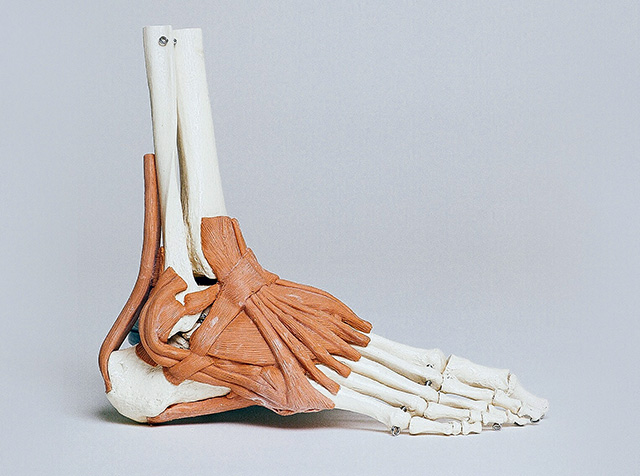 All sources of collagen are derived from the tendons and ligaments
Sources
All sources of collagen are derived from the tendons and ligaments of animals or marine life. Unfortunately for vegetarians, that means there is currently no equivalent option that consists of the same amino acid profile because plants don’t make collagen. If you think you have found a vegan or vegetarian form of collagen, it is likely a scam, or a good marketing ploy of similar amino acids to that of the real deal. This is especially the case if the theory of the shortened collagen-specific peptide chains act to stimulate the production of more collagen. Otherwise, sources of protein with high leucine content, which are often high in proline and glycine too, may be suitable. Further research will help navigate these uncertainties, as it is still a fairly new and emerging area.
Other factors to consider
Much of the research has used Vitamin C together with collagen, due to its role in collagen fiber synthesis. The use of ~50mg of supplemental Vitamin C was adequate in the research setting. It is possible that a well-balanced diet can be sufficient in providing Vitamin C, but individual variation would determine this. Chronic Vitamin C supplementation may impair physiological adaptation to training so caution should be taken when co-supplementing with Vitamin C. Starting with an analysis of your current Vitamin C intake would help.
In Summary
There is some really exciting emerging research in the area of collagen supplementation for athletes. We know that together, adequate nutrition and exercise can improve the function and strength of the collagen matrix, fighting against genetics, disease and aging which can bring about its failure. So using this very low-risk source of specific amino acids may be beneficial to treat and prevent injury in sport and degenerative bone and connective tissue disorders. It is still early days in regards to protocols for best practice, and more research will be done to answer some of these questions. In the meantime it can be another string to the bow of healthy living and injury management, to be used alongside other know strategies.
References
- https://www.ais.gov.au/nutrition/supplements/group_b#collagen_support
- https://www.thinkingnutrition.com.au/collagen-supplements
- Effects of Different Vitamin C-Enriched Collagen Derivatives on Collagen Synthesis. Dana M Lis, Keith Baar. International Journal of Sport Nutrition and Exercise Metabolism. 2019, Sep 1;29(5):526-531.
- Vitamin C-enriched gelatin supplementation before intermittent activity augments collagen synthesis. Gregory Shaw, Ann Lee-Barthel, Megan Lr Ross, Bing Wang, Keith Baar. American Journal of Clinical Nutrition. 2017, Jan;105(1):136-143.
- 24-Week study on the use of collagen hydrolysate as a dietary supplement in athletes with activity-related joint pain. Kristine L Clark, Wayne Sebastianelli, Klaus R Flechsenhar, Douglas F Aukermann, Felix Meza, Roberta L Millard, John R Deitch, Paul S Sherbondy, Ann Albert. Current Medical Research Opinion. 2008 May;24(5):1485-96.
- Improvement of activity-related knee joint discomfort following supplementation of specific collagen peptides. Denise Zdzieblik , Steffen Oesser, Albert Gollhofer, Daniel König. Applied Physiology Nutrition Metabolism. 2017 Jun;42(6):588-595.
- Improvement of Functional Ankle Properties Following Supplementation with Specific Collagen Peptides in Athletes with Chronic Ankle Instability. Patrick Dressler, Dominic Gehring, Denise Zdzieblik, Steffen Oesser, Albert Gollhofer, Daniel König. Journal of Sports Science Medicine. 2018 May 14;17(2):298-304.
- Oral Supplementation of Specific Collagen Peptides Combined with Calf-Strengthening Exercises Enhances Function and Reduces Pain in Achilles Tendinopathy Patients. S. Praet, C R. Purdam, M Welvaert, N Vlahovich, G Lovell, L M. Burke, J E. Gaida, S Manzanero, D Hughes and G Waddington. Nutrients 2019, Jan 2;11(1):76.
- Effect of collagen hydrolysate in articular pain: a 6-month randomized, double-blind, placebo controlled study. O Bruyère, B Zegels, L Leonori, V Rabenda, A Janssen, C Bourges, J-Y Reginster. Complementary Therapies in Medicine. 2012 Jun;20(3):124-30.
- Bone Broth Unlikely to Provide Reliable Concentrations of Collagen Precursors Compared With Supplemental Sources of Collagen Used in Collagen Research. Rebekah D Alcock, Gregory C Shaw, Louise M Burke. International Journal of Sport Nutrition and Exercise Metabolism. 2019 May 1;29(3):265-272.
Related Pages
- Summary and Tips for Collagen Supplementation
- Gelatine Recipes for Athletes — to supplement collagen
- Guide to Athletic Supplements
- Amino Acid Supplements
- Protein and Athletes
- Go Shopping in the Supplement Store
 Any comments, suggestions, or corrections? Please let us know.