Micro-Nutrients, Dietary Supplements and Ergogenic Aids for Athletes
There are many micronutrients that are essential for the correct functioning of the body's metabolism, such as essential vitamins and minerals. Regularly eating nutrient-rich foods will increase the likelihood of maximizing micronutrient intake, which in turn helps avoid any deficiencies. Sometimes a deficiency can still occur, such as when the athlete is on a particularly restrictive diet or undertaking particularly intense exercise, and in this case, they may be required to supplement their diet.
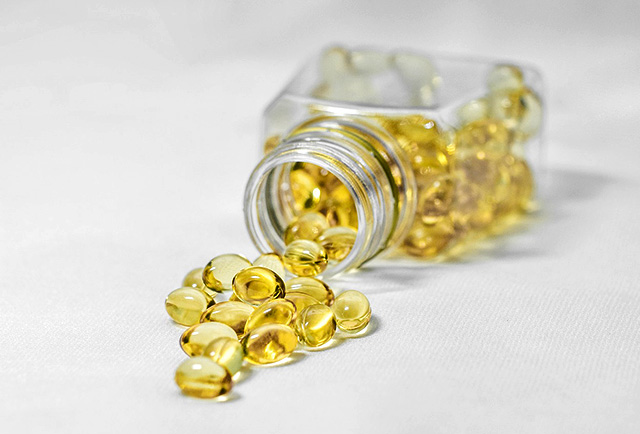 there are many supplements available for athletes
 A study of elite Australian athletes from a range of sports (Martin et al. 2019) found that the most frequently used supplements were sports drinks (70%), caffeine (48%), protein powder (42%), and sports bars (42%). The athletes reported that the reasons they took these supplements were for recovery (63%), health maintenance (59%), and improved energy (50%).
There are also supplements that are used to complement or enhance the body's normal metabolism, and some of these are considered to artificially enhance performance and are banned by the sporting authorities. Let's put it out there right from the start, illegal dietary supplements should be stayed well away from for any serious athlete. However, there are plenty of legal dietary supplements that are available that can help you better prepare, perform and recover from exercise. There are many supplements to choose from, some will work while others won't, and the current evidence will not always be clear. Whatever you take, the supplements are not to replace hard work. You will still need to spend time on the training track or in the gym, and eat a well-balanced diet.
Here are some articles on supplementation generally and also on specific athletic supplements. Not all will be suitable for your developmental stage or your sport, you need to read up and make the decision about what is right for you. I hope this information points you in the right direction.
Articles About Supplementation
- Building Muscle: Do You Need Supplements? — some important tips that will help you achieve your muscle mass gain goals in the most sensible way.
- List of Supplements for Weight Gain — a list of different supplement types, with a brief outline of what each of them is about.
- Supplements for Sport: Do these work or is it just hype?
- Timing Is Vital - Optimal Times To Consume Supplements for Optimal Performance
- Scheduling Supplements - The Optimal Time to Take Protein
- Pre-Workouts — a supplement to make you more active and last longer during your workout routines.
- Using Supplements To Build Muscle Mass — supplements to increase strength and decrease recovery time.
- Supplements and the Athlete's Immune System — some supplements are thought to prevent exercise-induced immune suppression and provide protection from infection.
- Are Natural Supplements Boosting Athletes Safely?
- Plant-Based Supplements: Trends and Market Insights
- Vitamin Supplementation — the good and the bad.
Specific Supplement Reviews
- Amino Acid Supplements — are they necessary?
- Antioxidants — all about antioxidant supplementation and performance.
- Beta-Alanine Supplementation — helps with muscle buffering.
- Coffee, Caffeine & Fitness — a discussion on the benefits of caffeine on sports performance.
- Collagen — collagen supplementation has many uses, including some benefits for athletes such as reducing joint pain and enhancing exercise recovery. There is also a summary and practical tips for supplementing with collagen.
- Bovine Colostrum — plant flavonoids that have antioxidant properties as well as being anti-inflammatory
- Creatine — all you need to know about supplementing with creatine. See also about Creatine Supplementation for Teenagers.
- Hepcidin — about hepcidin supplementation and the management of an athlete’s iron status.
- Leucine and Muscle Protein Synthesis — leucine is an important amino acid that can be used as a nutritional supplement for athletes.
- N-Acetyl Carnitine — plays several important roles in the human body, particularly in the oxidation of fatty acids in the mitochondria.
- Nitrates — help improve exercise tolerance with Sodium Nitrate.
- Peptides — Peptide Therapy for Athletes: Does It Really Maximize Performance? PowerPeptides Know The Answer
- Polyphenols — plant flavonoids that have antioxidant properties as well as being anti-inflammatory.
- SARMS (selective androgen receptor modulators) — enhance muscle development and strength while also speeding up the elimination of body fat.
- Sea Moss — Why Athletes Are Turning to Sea Moss for Improved Performance
- Sodium Bicarbonate Loading — buffering the acid produced during exercise.
- Vitamin C and its role in athlete immunity.
- Vitamin D and its role in sports performance.
- Vitamin E and its role in athlete immunity.
Minerals
- Iron — iron stores are essential for carrying oxygen around the blood and delivering it to the muscles. Athletes require more iron due to muscles needing greater oxygenation while working. Plus there is blood cell damage through pressure on the feet while running. Females are more at risk of low iron levels due to blood losses. The best way to increase iron levels is by increasing red meat intake, other good sources are eggs, green leafy vegetables, and fortified breakfast cereals. You can enhance absorption by including vitamin C with meals, in the form of juice or whole fruit, and avoid drinking tea and coffee with meals as this will reduce absorption.
- Calcium — another nutrient that is important for athletes and is often poorly consumed. Dietary calcium is vital for strengthening bones. Dairy products like milk, yogurt and cheese are the best sources of calcium. Low-fat products are higher in calcium than full-fat products, and the milk proteins present also enhance absorption. Weight-bearing exercise is also a factor for strong bones, and the more exercise you do the stronger the bones can become. This is site specific, so running will strengthen the legs, ankles and feet, while upper body weights will help shoulders, arms and wrists.
- Zinc — an essential nutrient needed for enzyme activity and the immune system
List of Some Other Nutritional Supplements
We don't specifically endorse the use of these supplements, we have listed these as they may be used by some athletes. Please investigate further if you think these may be useful.
- Androstenedione – A steroid hormone once used to boost testosterone levels; now banned by many sports organizations.
- Bee Pollen – Contains vitamins, minerals, and proteins; marketed as an energy and immune booster.
- Beetroot Juice – Rich in nitrates that may improve oxygen efficiency and enhance endurance performance.
- Beta-Alanine and Carnosine – Help buffer acid in muscles, improving high-intensity exercise capacity.
- Beta-Hydroxy Beta-Methylbutyrate (HMB) – May help reduce muscle breakdown and support muscle growth.
- Bioflavonoids – These are antioxidants found in foods like berries and red wine; linked to cardiovascular and cancer-preventative benefits.
- Boron – a trace mineral possibly affecting hormone levels and bone health, though effects on performance are unclear.
- Carnitine – Involved in fat metabolism and may support recovery; evidence for performance benefits is mixed.
- Cherry Juice – High in antioxidants; shown to reduce muscle soreness and post-exercise inflammation.
- Choline – Supports nerve and muscle function; included in supplements for cognitive performance.
- Chromium – Helps regulate blood sugar and insulin; limited evidence for athletic benefits.
- Coenzyme Q10 – aids in cellular energy production and may reduce oxidative stress during exercise.
- Dehydroepiandrosterone (DHEA) – a hormone precursor to testosterone; controversial and banned in many sports.
- Fish Oil and Omega-3 Fatty Acids – Support heart and brain health, reduce inflammation, and aid recovery.
- Ginseng – a herbal remedy believed to fight fatigue and boost energy; evidence is mixed.
- Glandulars – Supplements made from animal glands, traditionally used to support corresponding human organs.
- Glycerol – Enhances fluid retention and hydration before prolonged exercise.
- Green Tea – Contains caffeine and antioxidants that may promote fat metabolism and protect cells.
- Inosine – Related to ATP production; formerly used to boost energy, but lacks supporting evidence.
- Ketone Salts – Provide an alternative energy source during endurance events by raising blood ketone levels.
- Lactate Salts and Polylactate – May delay fatigue by reducing muscle acidity; evidence is inconsistent.
- Lecithin – A source of phospholipids and choline; claimed to support brain and liver function.
- Medium-Chain Triacylglycerol (MCT) – Quickly absorbed fats that may aid energy use and endurance.
- Pangamic Acid (Vitamin B15) – Once marketed for oxygen use and detoxification, but lacks scientific validation.
- Phosphatidylserine – May help reduce stress hormones and improve mental function during athletic stress.
- Phosphorus and Phosphate Salts – Believed to enhance endurance performance by increasing aerobic capacity.
- Polyphenols – Antioxidants from plant foods that help reduce inflammation and improve recovery.
- Pyruvate and Dihydroxyacetone (DHA) – Claimed to support fat loss and energy, but evidence is weak.
- Sodium Citrate – acts as a buffer to delay muscle fatigue during high-intensity activity.
- Vanadium – Once promoted for insulin-like effects; lacks proven benefits and may be toxic at high doses.
- Wheat Germ Oil – rich in vitamin E and antioxidants; used to support general health.
Reference
- Martin C. Waller, Deborah A. Kerr, Martyn J. Binnie, Emily Eaton, Clare Wood, Terreen Stenvers, Daniel F. Gucciardi, Carmel Goodman and Kagan J. Ducker. Supplement Use and Behaviors of Athletes Affiliated With an Australian State-Based Sports Institute. IJSNEM, 2019, Sep 1;29(5):518-525
Related Pages
- Nutrients and Athletes
- From Brain to Body: How Peak Performers Manage Energy Holistically
- Protein Shakes to make at home - protein supplements the easy and cheap way
- Go Shopping in the Supplement Store
- About Protein for Athletes
- Olympic Games Drug Scandals
- Doping in Sports
 Any comments, suggestions, or corrections? Please let us know.