Length and Height Measures
Length measures are made at standard anatomical sites around the body, measured with a tape measure, ruler or caliper. See also the body size tests of breadth.
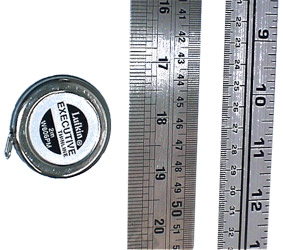
- equipment required: steel ruler or flexible metal tape measure (or caliper) and pen for marking the skin. If a plastic or cloth tape is used, it should be checked regularly against a metal tape as they may stretch over time.
- procedure: First mark the sites to be measured. For descriptions of the procedure for measuring specific lengths, see the list below.
- sites: Below are some common sites used for length measurements.
Click on the link for a detailed description of the procedure. Sites marked with * are part of the ISAK full anthropometry profile.
- Standing Height *
- Sitting Height *
- Knee Height
- Arm Length
- Arm Span
- Hand Span
- Recumbent Length
- Foot Length *
- Acromiale-Radiale (upper arm length) *
- Radiale-stylion (forearm length) *
- Midstylion-dactylion (hand length) *
- Iliospinale (height from floor to hip) *
- Trochanterion (height from floor to top of femur) *
- Trochanterion-tibiale laterale (thigh length) *
- Tibiale laterale to floor (lower leg length, knee height) *
- Tibiale mediale-sphyrion tibiale (tibia length)*
- reliability: Things that may affect reliability are changes to the testers, constant and even tension on the tape, and correct landmarking (finding the correct anatomical sites for measurement).
- advantages: low costs involved in the testing procedure, and for many sites the measurement can be self administered.
Related Pages
- A discussion about Body Size Testing
- Measurement of standing reach
- Measuring peak height velocity
- Other anthropometric tests
- Videos of Anthropometric Tests
 Any comments, suggestions, or corrections? Please let us know.